
INGLÉS
SEEING
Por José Saramago
Estado: DE 2ª MANO (ACEPTABLE)
Vendido por Hamelyn
Sólo disponible de otros vendedores
Este libro se encuentra descatalogado en la editorial por lo que no va a poder comprarlo nuevo. Sólo podemos ofrecerle los ejemplares que han puesto a la venta otros vendedores, si no realizas hoy la compra no podemos garantizar que mañana siga a la venta.
Otros vendedores (nuevo y usado) desde 7,33 €
Tiempo est. de lectura: 7h 15m

Lorca, el escritor que cambió la literatura para siempre
A 90 años de su asesinato, la voz de Lorca sigue viva en una obra que continúa inspirando a nuevas generaciones. El estreno de La bola negra invita a redescubrir el legado de uno de los grandes nombres de nuestra literatura.
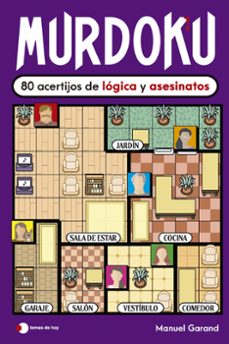
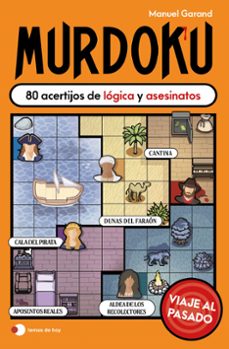
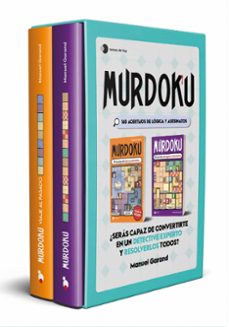
Descubre por qué Murdoku es el libro más viral
Sinopsis
Despite the heavy rain, the presiding officer at Polling Station 14 finds it odd that by midday on National Election day, only a handful of voters have turned out.Puzzlement swiftly escalates to shock when eventually, after an extension, the final count reveals seventy per cent of the votes are blank - not spoiled, simply blank. National law decrees the election should be repeated eight days later. The result is worse; eighty-three per cent of the votes are blank. The incumbent government receives eight per cent and the opposition even less. The authorities, seized with panic, decamp from the capital and place it under a state of emergency.Who are the insurgents? Why the desire to destabilise the country? The authorities leap from one possibility to the next, but achieve nothing. The lack of hostility exacerbates things, since how can justice be meted out when not a single law has been broken? To all intents and purposes the administration is blind. Similarities to the plague of blindness that struck the city four years ago become apparent.In his new novel, José Saramago has deftly created the politician's ultimate nightmare: disillusionment not with one party, but with all, thereby rendering the entire democratic system useless. Seeing explores how simply this could be achieved and how devastating the results might be.
Ficha Técnica
Editorial: Arrow (Random)
ISBN: 9780099483625
Idioma: Inglés
Número de páginas: 352
Tiempo de lectura: 7h 15m
Encuadernación: Tapa blanda
Fecha de lanzamiento: 11/04/2007
Año de edición: 2007
Plaza de edición: London
Especificaciones del producto

Recibe novedades de José Saramago directamente en tu email
Reseñas sobre SEEING
Comparte tu experiencia con la comunidad lectora.
0 Reseñas
5 0
4 0
3 0
2 0
1 0
Sólo por opinar entras en el sorteo mensual de tres tarjetas regalo valoradas en
20€
Publicar una opinión supone haber leído y aceptado las
bases del sorteo
"Tu opinión tiene premio".