
















INGLÉS
DICTIONARY OF THE ENGLISH LANGUAGE
Por Samuel Johnson
Estado: NUEVO
Vendido por Singular Libros
Sólo disponible de otros vendedores
Este libro se encuentra agotado en la editorial por lo que no va a poder comprarlo nuevo. Sólo podemos ofrecerle los ejemplares que han puesto a la venta otros vendedores, si no realizas hoy la compra no podemos garantizar que mañana siga a la venta.
Otros vendedores (nuevo y usado) desde 18,37 €
Sinopsis
Samuel Johnson's Dictionary, published in 1755, marked a milestone in a language in desperate need of standards. No English dictionary before it had devoted so much space to everyday words, been so thorough in its definitions, or illustrated usage by quoting from Shakespeare and other great writers. Johnson's was the dictionary used by Jane Austen and Charles Dickens, Wordsworth and Coleridge, the Brontës and the Brownings, Thomas Hardy and Oscar Wilde. This new edition, edited by David Crystal, will contain a selection from the original, offering memorable passages on subjects ranging from books and critics to dreams and ethics.
Ficha Técnica
Editorial: Penguin
ISBN: 9780141441573
Idioma: Inglés
Número de páginas: 688
Encuadernación: Tapa blanda
Fecha de lanzamiento: 30/10/2006
Año de edición: 2006
Especificaciones del producto
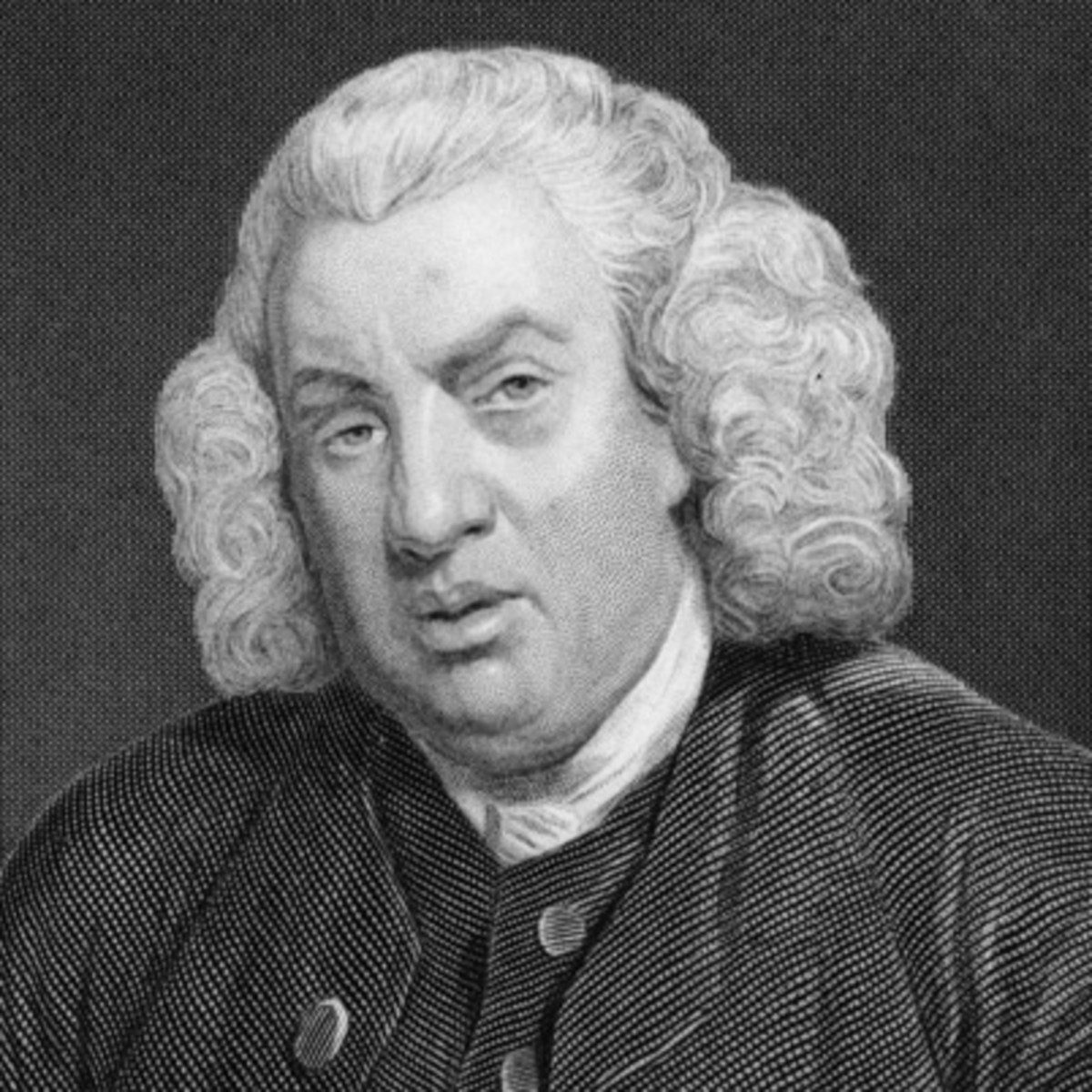
Recibe novedades de Samuel Johnson directamente en tu email
Reseñas sobre DICTIONARY OF THE ENGLISH LANGUAGE
Comparte tu experiencia con la comunidad lectora.
0 Reseñas
5 0
4 0
3 0
2 0
1 0
Sólo por opinar entras en el sorteo mensual de tres tarjetas regalo valoradas en
20€
Publicar una opinión supone haber leído y aceptado las
bases del sorteo
"Tu opinión tiene premio".