




























INGLÉS
HERETICS
Por G.K. Chesterton
Descatalogado por distribuidor
Actualmente el distribuidor ha dejado de editar este producto pero podemos avisarte por correo electrónico si vuelve a estar disponible. Para esto, introduce tu email y pulsa sobre el botón “Avísame”.
¿Quieres que te avisemos si lo volvemos a recibir?
Tiempo est. de lectura: 2h 40m

Sinopsis
Though he was on the whole a fun loving and gregarious man, during adolescence Chesterton was troubled by thoughts of suicide. In Christianity he found answers to many of the dilemmas and paradoxes of life. Throughout Heretics he provides a very personal critique of contemporary religious notions. His consistently engaging but often wayward humour is mixed liberally with daring flights of fancy and some startling turns of thought. A highly original contribution to one of the major debates of the last century - one that continues to exercise leading thinkers in the present one.
Ficha Técnica
Editorial: House of Stratus
ISBN: 9781842329894
Idioma: Inglés
Número de páginas: 133
Tiempo de lectura: 2h 40m
Encuadernación: Tapa blanda
Fecha de lanzamiento: 16/06/2004
Año de edición: 2001
Plaza de edición: New York
Especificaciones del producto
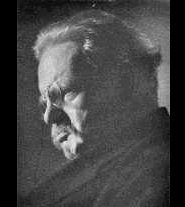
Recibe novedades de G.K. Chesterton directamente en tu email
Reseñas sobre HERETICS
Comparte tu experiencia con la comunidad lectora.
0 Reseñas
5 0
4 0
3 0
2 0
1 0
Sólo por opinar entras en el sorteo mensual de tres tarjetas regalo valoradas en
20€
Publicar una opinión supone haber leído y aceptado las
bases del sorteo
"Tu opinión tiene premio".