








INGLÉS
LEAVES OF GRASS
Por Walt Whitman
Estado: NUEVO
Vendido por Singular Libros
Sólo disponible de otros vendedores
Este libro se encuentra descatalogado en la editorial por lo que no va a poder comprarlo nuevo. Sólo podemos ofrecerle los ejemplares que han puesto a la venta otros vendedores, si no realizas hoy la compra no podemos garantizar que mañana siga a la venta.
Otros vendedores (nuevo y usado) desde 11,02 €

Sinopsis
First published in 1855 and extended by the author over the course of more than three decades, Leaves of Grass embodies Walt Whitman''s lifetime ambition to create a new voice that could capture the spirit and vibrancy of the young American nation, while celebrating at the same time "Nature without check with original energy". Famously written in free verse and brimming with sensuous imagery and an unbridled love of nature and life in all its forms, and containing celebrated poems such as the ebullient `Song of Myself'' - described by Jay Parini as the greatest American poem ever written - and the elegiac `When Lilacs Last in the Dooryard Bloom''d'', Leaves of Grass is not only the fi nest achievement of a highly unique poet, but a founding text for American literature and modern poetry.
Ficha Técnica
Editorial: Alma Books
ISBN: 9781847497550
Idioma: Inglés
Encuadernación: Tapa blanda
Fecha de lanzamiento: 12/06/2019
Año de edición: 2019
Especificaciones del producto
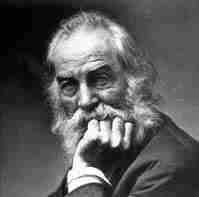
Recibe novedades de Walt Whitman directamente en tu email
Reseñas sobre LEAVES OF GRASS
Comparte tu experiencia con la comunidad lectora.
0 Reseñas
5 0
4 0
3 0
2 0
1 0
Sólo por opinar entras en el sorteo mensual de tres tarjetas regalo valoradas en
20€
Publicar una opinión supone haber leído y aceptado las
bases del sorteo
"Tu opinión tiene premio".