
INGLÉS
THE LONG TRAIL: SELECTED POEMS
Por Rudyard Kipling
Descatalogado por distribuidor
Actualmente el distribuidor ha dejado de editar este producto pero podemos avisarte por correo electrónico si vuelve a estar disponible. Para esto, introduce tu email y pulsa sobre el botón “Avísame”.
¿Quieres que te avisemos si lo volvemos a recibir?
Tiempo est. de lectura: 3h 7m

Lorca, el escritor que cambió la literatura para siempre
A 90 años de su asesinato, la voz de Lorca sigue viva en una obra que continúa inspirando a nuevas generaciones. El estreno de La bola negra invita a redescubrir el legado de uno de los grandes nombres de nuestra literatura.
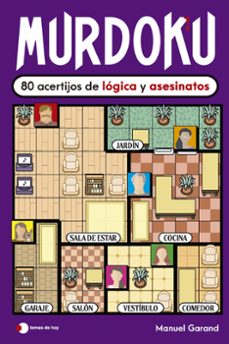
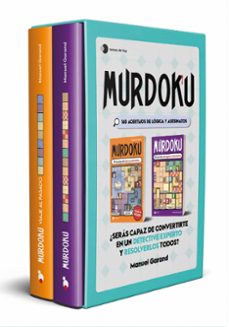
Descubre por qué Murdoku es el libro más viral

Sinopsis
Rudyard Kipling (1865-1936) was, as T.S. Eliot recognised, a supreme ballad-maker, a storyteller who relished the adventures and characters encountered in the wide world, and a man whose sympathies lay with those whose work and dedication sustained civic and political institutions. With humour, rhythmical skill and a gift for the unforgettable phrase, Kipling's poems have passed into common currency: 'If -', 'Mandalay', 'Gunga Din'... Harry Ricketts includes these in his selection, and many more. He also introduces a less familiar Kipling, lyrical, funny, compassionate, capable of bleak and savage satire. Often seen only as a laureate of empire, Kipling also speaks for the dispossessed and the victims of war. His fingerprints, Ricketts writes, 'are smudged all over twentieth-century literature': he affected Sassoon, Joyce, Auden and Brecht, and he still provides the necessary words at times of crisis.
Ficha Técnica
Editorial: Carcanet Press
ISBN: 9781857547399
Idioma: Inglés
Número de páginas: 154
Tiempo de lectura: 3h 7m
Encuadernación: Tapa blanda
Fecha de lanzamiento: 07/04/2004
Año de edición: 2004
Plaza de edición: Manchester
Especificaciones del producto

Recibe novedades de Rudyard Kipling directamente en tu email
Reseñas sobre THE LONG TRAIL: SELECTED POEMS
Comparte tu experiencia con la comunidad lectora.
0 Reseñas
5 0
4 0
3 0
2 0
1 0
Sólo por opinar entras en el sorteo mensual de tres tarjetas regalo valoradas en
20€
Publicar una opinión supone haber leído y aceptado las
bases del sorteo
"Tu opinión tiene premio".