
INGLÉS
THE WRETCHED (LES MISERABLES)
Por Victor Hugo
Estado: DE 2ª MANO (BUENO)
Vendido por Brand New Used Books
Sólo disponible de otros vendedores
Este libro se encuentra agotado en la editorial por lo que no va a poder comprarlo nuevo. Sólo podemos ofrecerle los ejemplares que han puesto a la venta otros vendedores, si no realizas hoy la compra no podemos garantizar que mañana siga a la venta.
Otros vendedores (nuevo y usado) desde 189,00 €
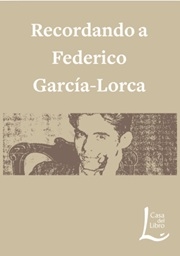
Lorca, el escritor que cambió la literatura para siempre
A 90 años de su asesinato, la voz de Lorca sigue viva en una obra que continúa inspirando a nuevas generaciones. El estreno de La bola negra invita a redescubrir el legado de uno de los grandes nombres de nuestra literatura.
Descubre por qué Murdoku es el libro más viral

Sinopsis
This is a brilliant new translation by Christine Donougher of Victor Hugo's thrilling masterpiece, with an introduction by Robert Tombs. The Wretched ( Les Miserables) is the basis for both the longest running musical on the West End and the highly-acclaimed recent film starring Hugh Jackman and Anne Hathaway. Victor Hugo's tale of injustice, heroism and love follows the fortunes of Jean Valjean, an escaped convict determined to put his criminal past behind him. But his attempts to become a respected member of the community are constantly put under threat: by his own conscience, and by the relentless investigations of the dogged policeman Javert. It is not simply for himself that Valjean must stay free, however, for he has sworn to protect the baby daughter of Fantine, driven to prostitution by poverty. "The year's most interesting publication from Penguin Classics was actually The Wretched [...] a new translation by Christine Donougher of the novel we all know as Les Miserables. You may think that 1,300 pages is a huge investment of time when the story is so familiar, but no adaptation can convey the addictive pleasure afforded by Victor Hugo's narrative voice: by turns chatty, crotchety, buoyant and savagely ironical, it's made to seem so contemporary and fresh in Donougher's rendering that the book has all the resonance of the most topical state-of-the-nation novel". (The Telegraph). "Christine Donougher's seamless and very modern translation of Les Miserables has an astonishing effect in that it reminds readers that Hugo was going further than any Dickensian lament about social conditions...The Wretched touches the soul". (Herald Scotland). Victor Hugo was born in Besancon, France in 1802. In 1822 he published his first collection of poetry and in the same year, he married his childhood friend, Adele Foucher. In 1831 he published his most famous youthful novel, Notre-Dame de Paris. A royalist and conservative as a young man, Hugo later became a committed social democrat and was exiled from France as a result of his political activities. In 1862, he wrote his longest and greatest novel, The Wretched (Les Miserables). After his death in 1885, his body lay in state under the Arc de Triomphe before being buried in the Pantheon. Christine Donougher is a freelance translator and editor. She has translated numerous books from French and Italian, and won the 1992 Scott Moncrieff Translation Prize for her translation of Sylvie Germain's The Book of Nights. Robert Tombs is Professor of History at St John's College, Cambridge. His most recent book is That Sweet Enemy: The French and the British from the Sun King to the Present, co-written with Isabelle Tombs.
Ficha Técnica
Editorial: Penguin
ISBN: 9780141393599
Idioma: Inglés
Encuadernación: Tapa dura
Fecha de lanzamiento: 01/11/2013
Año de edición: 2013
Especificaciones del producto
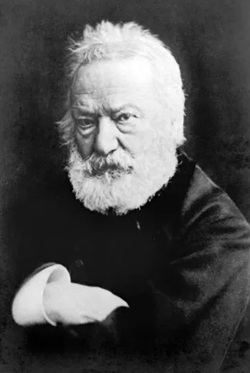
Recibe novedades de Victor Hugo directamente en tu email
Reseñas sobre THE WRETCHED (LES MISERABLES)
Comparte tu experiencia con la comunidad lectora.
0 Reseñas
5 0
4 0
3 0
2 0
1 0
Sólo por opinar entras en el sorteo mensual de tres tarjetas regalo valoradas en
20€
Publicar una opinión supone haber leído y aceptado las
bases del sorteo
"Tu opinión tiene premio".