TURNER (SERIE MENOR)
Estado: DE 2ª MANO (BUENO)
Vendido por GoldenBooks
Sólo disponible de otros vendedores
Este libro se encuentra descatalogado en la editorial por lo que no va a poder comprarlo nuevo. Sólo podemos ofrecerle los ejemplares que han puesto a la venta otros vendedores, si no realizas hoy la compra no podemos garantizar que mañana siga a la venta.
Otros vendedores (nuevo y usado) desde 25,00 €
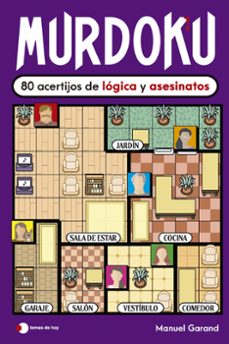
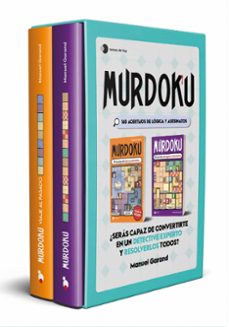
Descubre por qué Murdoku es el libro más viral

Sinopsis
As a blind person would see the world if the gift of sight suddenly returned - so might one describe the effect of Turner's paintings on the observer. John Ruskin, the uncompromising nineteenth-century defender of the painting of William Turner (1775-1851) spoke of the 'innocence of the eye', which perceived the colours and forms of the world before it recognized their significance.
But in order to develop such a style, Turner first had to overcome the entire legacy of late rococo academic teachings. He was simultaneously a romantic and a realist - and yet he was neither. His landscapes, far in advance of their time, have been called forerunners of Impressionism, but they also possess traits that influenced Expressionism, and many of his late compositions are thoroughly surrealistic.
In reality, Turner's art cannot be comprehended by such classifications: its essence remains a riddle to art history even today. For his work arises from a unique relation to the nature that it depicts: through his brilliant sketches, he found his way already in the 19th century to a rigorously open kind of painting in which nature sets free the use of colour. And through the workings of the natural elements - especially atmospheric light - Turner confronted nature at the point where nature itself is an image.
This book provides the understandings necessary to open up Turner's paintings for the eye, demonstrating that Turner was not simply illustrating nature, but that his pictures speak directly to the eye as nature does itself - through a world of light and colour.
But in order to develop such a style, Turner first had to overcome the entire legacy of late rococo academic teachings. He was simultaneously a romantic and a realist - and yet he was neither. His landscapes, far in advance of their time, have been called forerunners of Impressionism, but they also possess traits that influenced Expressionism, and many of his late compositions are thoroughly surrealistic.
In reality, Turner's art cannot be comprehended by such classifications: its essence remains a riddle to art history even today. For his work arises from a unique relation to the nature that it depicts: through his brilliant sketches, he found his way already in the 19th century to a rigorously open kind of painting in which nature sets free the use of colour. And through the workings of the natural elements - especially atmospheric light - Turner confronted nature at the point where nature itself is an image.
This book provides the understandings necessary to open up Turner's paintings for the eye, demonstrating that Turner was not simply illustrating nature, but that his pictures speak directly to the eye as nature does itself - through a world of light and colour.
Ficha Técnica
Editorial: Taschen Benedikt
ISBN: 9783822861967
Idioma: Castellano
Número de páginas: 96
Encuadernación: Tapa blanda
Fecha de lanzamiento: 31/08/1999
Año de edición: 1999
Plaza de edición: Es
Colección:
Serie Menor (Taschen)
Serie Menor (Taschen)
Peso: 357.0 gr
Especificaciones del producto
Recibe novedades de MICHAEL BOCKEMUHL directamente en tu email
Reseñas sobre TURNER (SERIE MENOR)
Comparte tu experiencia con la comunidad lectora.
0 Reseñas
5 0
4 0
3 0
2 0
1 0
Sólo por opinar entras en el sorteo mensual de tres tarjetas regalo valoradas en
20€
Publicar una opinión supone haber leído y aceptado las
bases del sorteo
"Tu opinión tiene premio".
Los libros más vendidos de Artistas contemporáneos