
VIVIR VALE LA PENA
Por Phil Bosmans
Estado: DE 2ª MANO (MUY BUENO)
Vendido por Brand New Used Books
Sólo disponible de otros vendedores
Este libro se encuentra descatalogado en la editorial por lo que no va a poder comprarlo nuevo. Sólo podemos ofrecerle los ejemplares que han puesto a la venta otros vendedores, si no realizas hoy la compra no podemos garantizar que mañana siga a la venta.
Otros vendedores (nuevo y usado) desde 190,00 €
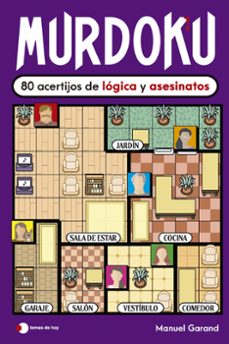
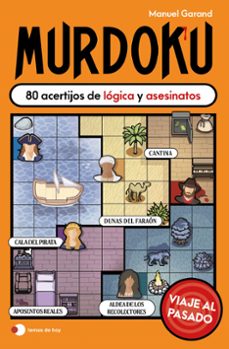
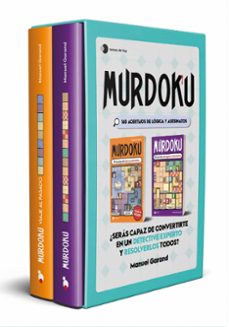
Descubre por qué Murdoku es el libro más viral
Ficha Técnica
Traductor: Angela Casanova
Editorial: Ediciones 29
ISBN: 9788471753342
Número de páginas: 112
Encuadernación: Tapa blanda
Año de edición: 1991
Plaza de edición: Barcelona
Alto: 9.0 cm
Ancho: 13.0 cm
Especificaciones del producto
Recibe novedades de Phil Bosmans directamente en tu email
Reseñas sobre VIVIR VALE LA PENA
Comparte tu experiencia con la comunidad lectora.
0 Reseñas
5 0
4 0
3 0
2 0
1 0
Sólo por opinar entras en el sorteo mensual de tres tarjetas regalo valoradas en
20€
Publicar una opinión supone haber leído y aceptado las
bases del sorteo
"Tu opinión tiene premio".