Desde hace ya tiempo, se considera que no existe relación alguna entre la ciencia y la religión, por tratarse de dominios paralelos. De hecho, una buena parte de los científicos piensa que no puede encontrarse en el Universo prueba alguna de que exista un Creador, ni tampoco vida mas alla de la muerte. Por tanto, resulta sorprendente oir de boca de un prestigioso fisico que puede deducirse la existencia de Dios y de la vida eterna siguiendo los metodos mas avanzados de la fisica actual, junto con la logica mas rigurosa. La fisica de la inmortalidad ha causado un gran revuelo en los ambientes cientificos porque a la audacia de sus planteamientos le sigue una brillante argumentacion solidamente construida. Algunos de sus colegas han rebatido ciertos puntos, pero ninguno ha podido negar la genialidad de los planteamientos de Frank J. Tipler . La claridad pedagogica con la que el autor expone sus razonamientos explica que la obra haya podido traspasar el ambito especializado e interesar a una gran variedad de lectores, intrigados por averiguar como un cientifico ateo sin ninguna inquietud teologica, al intentar construir un modelo matematico sobre el fin del Universo, llega a la asombrosa conclusion de que existe un Ser Supremo.
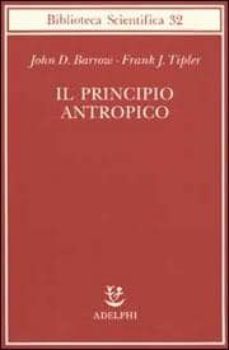
L''ipotesi del "principio antropico" venne proposta da Barrow e Tipler in questo libro apparso negli Stati Uniti nel 1986. Secondo questa teoria tutto ruota intorno a un nucleo ineludibile: se non si presentassero un numero allarmante di straordinarie coincidenze nella forma delle leggi fisiche e nei valori delle costanti di natura, la biochimica, la vita e la vita intelligente non sarebbero possibili. Non solo un universo preso a caso non consentirebbe la vita, ma non vi sarebbero possibili neppure gli oggetti astronomici comuni e la materia ordinaria. Muovendo da questa constatazione si giunge alla conclusione che vi sia una necessita, e il principio antropico debole, che si arresta al riconoscimento dei fatti, evolve in quello forte.
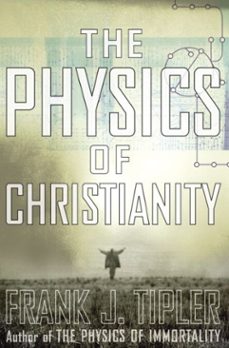
A highly respected physicist demonstrates that the essential beliefs of Christianity are wholly consistent with the laws of physics.Frank Tipler takes an exciting new approach to the age-old dispute about the relationship between science and religion in The Physics of Christianity. In reviewing centuries of writings and discussions, Tipler realized that in all the debate about science versus religion, there was no serious scientific research into central Christian claims and beliefs. So Tipler embarked on just such a scientific inquiry. The Physics of Christianity presents the fascinating results of his pioneering study.Tipler begins by outlining the basic concepts of physics for the lay reader and brings to light the underlying connections between physics and theology. In a compelling example, he illustrates how the God depicted by Jews and Christians, the Uncaused First Cause, is completely consistent with the Cosmological Singularity, an entity whose existence is required by physical law. His discussion of the scientific possibility of miracles provides an impressive, credible scientific foundation for many of Christianitys most astonishing claims, including the Virgin Birth, the Resurrection, and the Incarnation. He even includes specific outlines for practical experiments that can help prove the validity of the miracles at the heart of Christianity.Tiplers thoroughly rational approach and fully accessible style sets The Physics of Christianity apart from other books dealing with conflicts between science and religion. It will appeal not only to Christian readers, but also to anyone interested in an issue that triggers heated and divisive intellectual and cultural debates.