James Poskett es profesor asociado de Historia de la Ciencia y la Tecnología en la Universidad de Warwick. Completó su doctorado en la Universidad de Cambridge, donde también obtuvo la Adrian Research Fellowship en el Darwin College. Sus escritos se han publicado en The Guardian, Nature y BBC History Magazine, entre otros, y sus investigaciones lo han llevado por todo el mundo, desde observatorios astronómicos en la India hasta museos de historia natural en Australia. En el 2013 James fue seleccionado para el Premio New Generation Thinker de la BBC, y en el 2012 ganó el premio al Mejor Debutante de la Association of British Science Writers.
Recibe novedades de James Poskett directamente en tu email

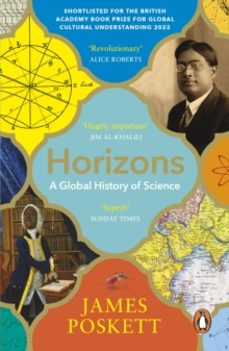
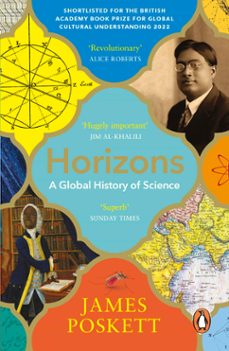
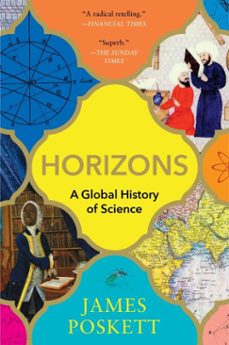
Superb Sunday Times Revolutionary Alice Roberts Hugely important Jim Al Khalili A radical retelling of the history of science that foregrounds the scientists erased from history In this major retelling of the history of science from 1450 to the present day James Poskett explodes the myth that science began in Europe The blinkered Western gaze focusing on individual genius Copernicus Newton Darwin Einstein was only one part of the story The reality was an utterly global non linear pattern of cross fertilization competition cooperation and outright conflict Each rupture in history carved fresh channels for global exchange Here for the first time Poskett celebrates how scientists from Africa America Asia and the Pacific were integral to this very human story We meet Graman Kwasi the African botanist who discovered a new cure for malaria Hantaro Nagaoka the Japanese scientist who first described the structure of the atom and Zhao Zhongyao the Chinese physicist who discovered antimatter Remarkable Challenges almost everything we know about science in the West Jerry Brotton author of A History of the World in 12 Maps Perspective shattering Caroline Sanderson The Bookseller Editor s Choice
« Nous avons tous appris que la naissance de la science moderne – la révolution scientifique – fut l’œuvre de savants isolés et géniaux, aux noms entrés dans l’histoire : Copernic et Galilée, Newton
The history of science as it has never been told before: a tale of outsiders and unsung heroes from far beyond the Western canon that most of us are taught.When we think about the origins of modern science we usually begin in Europe. We remember the great minds of Nicolaus Copernicus, Isaac Newton, Charles Darwin, and Albert Einstein. But the history of science is not, and has never been, a uniquely European endeavor. Copernicus relied on mathematical techniques that came from Arabic and Persian texts. Newtons laws of motion used astronomical observations made in Asia and Africa. When Darwin was writing On the Origin of Species, he consulted a sixteenth-century Chinese encyclopedia. And when Einstein studied quantum mechanics, he was inspired by the Bengali physicist, Satyendra Nath Bose.Horizons is the history of science as it has never been told before, uncovering its unsung heroes and revealing that the most important scientific breakthroughs have come from the exchange of ideas from different cultures around the world. In this ambitious, revelatory history, James Poskett recasts the history of science, uncovering the vital contributions that scientists in Africa, America, Asia, and the Pacific have made to this global story.
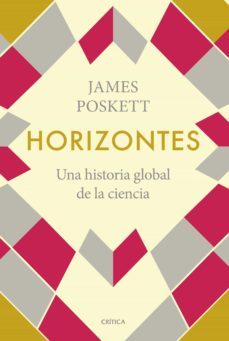
Solemos pensar que la ciencia moderna se inventó en Europa, producto de grandes mentes como Nicolás Copérnico, Isaac Newton, Charles Darwin o Albert Einstein. Pero esto es un error. La ciencia no es, ni ha sido nunca, un empeño exclusivamente europeo.Copernico se baso en tecnicas matematicas tomadas de textos arabes y persas. Cuando Newton establecio las leyes del movimiento, se baso en observaciones astronomicas realizadas en Asia y Africa. Cuando Darwin escribio El origen de las especies consulto una enciclopedia china del siglo XVI. Y cuando Einstein estudiaba la mecanica cuantica, se inspiro en el fisico bengali Satyendra Nath Bose. Horizontes va mas alla de Europa, explorando las formas en que los cientificos de Africa, America, Asia y el Pacifico encajan en la historia de la ciencia, que se entiende mejor como una historia de intercambio cultural global.Con una poderosa fuerza narrativa, James Poskett nos lleva en un viaje en el tiempo alrededor del mundo y rastrea los origenes de la ciencia moderna: desde los palacios de los aztecas hasta las universidades chinas, cuenta la historia de los pioneros olvidados de los grandes conocimientos.
La historia de la ciencia como nunca te la habían contado.Solemos pensar que la ciencia moderna se inventó en Europa, producto de grandes mentes como Nicolás Copérnico, Isaac Newton, Charles Darwin o Albert Einstein. Pero esto es un error. La ciencia no es, ni ha sido nunca, un empeño exclusivamente europeo.Copernico se baso en tecnicas matematicas tomadas de textos arabes y persas. Cuando Newton establecio las leyes del movimiento, se baso en observaciones astronomicas realizadas en Asia y Africa. Cuando Darwin escribioEl origen de las especies consulto una enciclopedia china del siglo XVI. Y cuando Einstein estudiaba la mecanica cuantica, se inspiro en el fisico bengali Satyendra Nath Bose.Horizontes va mas alla de Europa, explorando las formas en que los cientificos de Africa, America, Asia y el Pacifico encajan en la historia de la ciencia, que se entiende mejor como una historia de intercambio cultural global.Con una poderosa fuerza narrativa, James Poskett nos lleva en un viaje en el tiempo alrededor del mundo y rastrea los origenes de la ciencia moderna: desde los palacios de los aztecas hasta las universidades chinas, cuenta la historia de los pioneros olvidados de los grandes conocimientos.