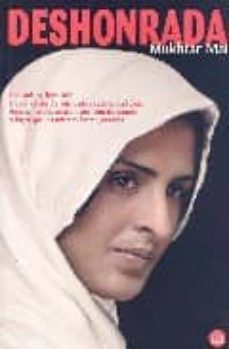
Yo, Mukhtaran Bibi, perdí la conciencia de mí misma, pero nunca olvidaré las caras de aquellos brutos. Para ellos, una mujer no es más que un objeto de posesión, de honor o de venganza. Se casan con ella o la violan segun si concepcion del orgullo tribal. Saben que una mujer humillada asi no tiene otra salida mas que el suicidio. Yo no les concedo mi perdon, ni mucho menos, pero intento explicar a los extranjeros, que me acribillan a preguntas, como funciona la sociedad del Penjab. Como si fuese un objeto con el que pueden hacer lo que quieran. La verdadera pregunta que mi pais debe plantearse es muy simple: si la mujer es el honor del hombre, ¿por que quiere violar o matar este honor?
Yo, Mukhtaran Bibi, perdí la conciencia de mí misma, pero nunca olvidaré las caras de aquellos brutos. Para ellos, una mujer no es más que un objeto de posesión, de honor o de venganza. Se casan con ella o la violan segun su concepcion del orgullo tribal. Saben que una mujer humillada asi no tiene otra salida mas que el suicidio. Yo no les concedo mi perdon, ni mucho menos, pero intento explicar a los extranjeros, que me acribillan a preguntas, como funciona la sociedad del Penjab. Como si fuese un objeto con el que pueden hacer lo que quieran. La verdadera pregunta que mi pais debe plantearse es muy simple: si la mujer es el honor del hombre, ¿por que quiere violar o matar este honor? Su relato resulta estremecedor; su acusacion, inequivoca, sin ambiguedades. Fue violada, humillada. Deberia haberse suicidado segun la tradicion. Pero se rebelo, grito, atrajo la atencion del mundo entero y logro que los infames fueran juzgados. En las paginas de este libro relata su odisea y retrata una sociedad, unas costumbres, que nos transportan a un mundo ancestral, exotico, colorista y cruel.
In June 2002, journalists throughout the world began to hear of the gang rape of a Pakistani woman from the impoverished village of Meerwala. The rape was ordered by a local clan known as the Mastoi and was arranged as punishment for indiscretions allegedly committed by the womans brother. While certainly not the first account of a female body being negotiated for honor in a family, and (sadly) not the last, journalists and activists were captivated. This time the survivor had chosen to fight back, and in doing so, single-handedly changed the feminist movement in Pakistan. Her name was Mukhtar Mai, and her decision to stand up to her accusers was an act of bravery unheard of in one of the worlds most adverse climates for women. By July 2002, Mais case was headline news in Pakistan and under international scrutiny, the government awarded her the equivalent of 8,500 U.S. dollars in compensation money (a historic settlement), and her attackers were sentenced to death. Mukhtar Mai went on to open a school for girls in an effort to ensure that future generations would not suffer, as she had, from illiteracy. In this rousing account, Mai describes her experience and how she has since become an agent for change and a beacon of hope for oppressed women around the world. Timely and topical, In the Name of Honor is the remarkable and inspirational memoir of a woman who fought and triumphed against exceptional odds.