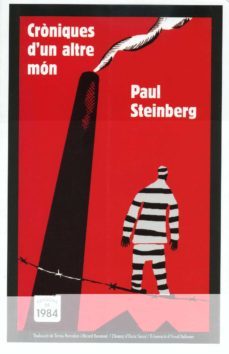
Deportat a Auschwit el 1943 a l’edat de 17 anys, Steinberg relata la seva experiencia. "Croniques d’un altre món es el relat fred, precís, sense patetisme, sovint insostenible per la seva mateixa seq
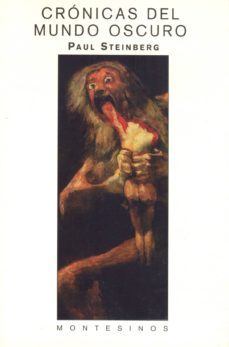
Paul Steinberg escribe este testimonio después de cincuenta años, con la distancia de toda una vida, y tras un intento de escribir un relato literario sobre un hecho concreto que vivió en Auschwitz que, segun su testimonio, le marco mas que el numero tatuado que aun lleva en el brazo: el momento en que levanto la mano sobre un anciano judio de su barracon Crei volverme loco ... Explote, dice. No pudo escribirlo y decidio posponerlo hasta la vejez con la conciencia de que escribir le iba a privar del equilibrio tan cuidadosamente conseguido.En el prologo, escrito por Jorge Semprun, se dice: Es el relato de alguien querealmente toco fondo, que vio la Gorgona en multiples ocasiones y que, efectivamente volvio enmudecido, permanecio mudo cincuenta años. Nos encontramos ante un relato excepcional, precisamente porque Steinberg conocio las reglas de Auschwitz aunque escapara a la seleccion que conducia a la camara de gas en la entrada del campo. Sencillo de leer, escrito con frases cortas, claras, concisas, a veces ironico, nos cuenta la lucha por la supervivencia de un joven, la perversion de un sistema que deshumaniza a los individuos a los que somete y utiliza, y el poder curativo de la escritura.Un testimonio de un valor incalculable.
Staring in the face of prostate cancer at age thirty-five and metastatic disease and proposed surgical castration at age forty, Paul Steinberg was forced to take two simultaneous journeys. The first was to transition from doctor to patient and surrender his physical health to a medical establishment he knew from firsthand knowledge would be using approaches that would be outdated within a few years. The second was a spiritual journey. His search for a higher meaning in his life sent him as far as walking over hot coals with Tony Robbins.Using the salamander as his role model, Steinberg, a college-health and sports psychiatrist, takes a look at the evolution of the regenerative capabilities of cold-blooded vertebrates like the salamander and at what we as humans have lost and gained in our warm-bloodedness. How do human beings regenerate? How do we redeem ourselves when our capacity for regeneration is limited? How did the prostate evolve, and how does prostate cancer develop?With wit and humor, Steinberg tackles lust and sex, and ultimately time and death and the gods. Having lived longer than virtually anyone else with metastatic prostate cancer, he uses his knowledge as a doctor and experience as a patient to provide a story of endurance and perseverance, weaving a tale of grace, regeneration, and redemptionjust not the kind of regeneration and redemption that he or anyone else would expect.
This Book is a work of fiction. All names, characters, locations, organizations and events are products of theauthors imagination or are used fictitiously