Gracias a los avances científcos, hoy sabemos que gran part de los mitos sobre el cerebro —«sólo lo usamos en un diez por ciento», «el alcohol mata neu ronas», «la música de Mozart hace inteligente a los bebés»…— son falsos. También se conoce cómo funciona realmente, y qué se puede hacer para mantenerlo inmune al paso de los años. Este libro, un modelo de ensayo divulgativo, desvela todas las claves sobre nuestro órgano más complejo y apasionante.
Entra en tu cerebro es el libro definitivo sobre el funcionamiento del cerebro y las capacidades de la mente humana. Dividido en seis secciones, aborda de forma asequible y divulgativa diversos temas: como actuan los sentidos; como progresa nuestro entendimiento a medida que crecemos; como nos enfrentamos a lo emocional y a lo racional; como actua el cerebro durante el sueño o bajo la influencia del alcohol y las drogas Por otra parte, Entra en tu cerebro desmonta mitos comunmente aceptados sobre nuestro cerebro: ¿ayuda a la inteligencia de un niño que le pongamos a escuchar a Mozart? ¡No! ¿es cierto que solo usamos un diez por ciento de nuestras neuronas?) ¡No! Un libro eficaz y accesible a todos los lectores.
Neuroscientists Aamodt and Wang illuminate how childrens brains grow - and how they can be nurtured, scientifically, to reach their full potential. The authors investigate common child-rearing wisdom, exposing bad brain trainingA" products and the ways parents most influence a childs personality. They explain why playing outside improves vision, why teenagers stay up late, and why learning a second language increases empathy. And they share amusing experiments that will let every parent watch a childs grey matter at work. Filled with myth-busting facts and clever advice, this is an indispensable, entertaining guide to your childs brain.
If diets worked, wed all be thin by now. Instead, we have enlisted hundreds of millions of people into a war we cant win." Whats the secret to losing weight? If youre like most of us, youve tried cutting calories, sipping weird smoothies, avoiding fats, and swapping out sugar for Splenda. The real secret is that all of those things are likely to make you weigh more in a few years, not less. In fact, a good predictor of who will gain weight is who says they plan to lose some. Last year, 108 million Americans went on diets, to the applause of doctors, family, and friends. But long-term studies of dieters consistently find that theyre more likely to end up gaining weight in the next two to fifteen years than people who dont diet. Neuroscientist Sandra Aamodt spent three decades in her own punishing cycle of starving and regaining before turning her scientific eye to the research on weight and health. What she found defies the conventional wisdom about dieting: ·Telling children that theyre overweight makes them more likely to gain weight over the next few years. Weight shaming has the same effect on adults. ·The calories you absorb from a slice of pizza depend on your genes and on your gut bacteria. So does the number of calories youre burning right now. ·Most people who lose a lot of weight suffer from obsessive thoughts, binge eating, depression, and anxiety. They also burn less energy and find eating much more rewarding than it was before they lost weight. ·Fighting against your bodys set pointa central tenet of most diet plansis exhausting, psychologically damaging, and ultimately counterproductive. If dieting makes us fat, what should we do instead to stay healthy and reduce the risks of diabetes, heart disease, and other obesity-related conditions? With clarity and candor, Aamodt makes a spirited case for abandoning diets in favor of behaviors that will truly improve and extend our lives.


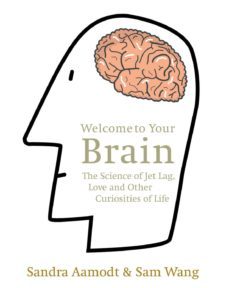
- When I drink, am I killing my brain cells?- Does cramming for an exam work?- Why cant you tickle yourself?- Can you improve your brain with video games?- Why is looking at a photograph harder than playing chess?Written with a light touch, but using hard science, Welcome to your Brain will answer all the questions youve ever had about how that amazing three pounds in your skull works - and how you can help it work better. Written by two top neuroscientists, they dispel all the myths (such as we only ever use 10% of our brains!), and show how understanding your brain can also be useful.Full of practical tips for improving your noggin, as well plenty of stories to amuse your friends, Welcome to your Brain will be the most accessible, and the most fascinating, book on your grey matter that you could ever hope to read.