





























Sinopsis
Marie Tudor is a gripping historical drama by Victor Hugo, first performed in 1833, that brings to life the turbulent reign of Mary I of England. Set against the shadowed backdrop of political intrigue, religious conflict, and personal betrayal, this powerful play blends romance, tragedy, and suspense into a compelling theatrical masterpiece.
At the heart of the story stands Queen Mary Tudor, a monarch torn between the immense responsibilities of the crown and the vulnerabilities of her heart. Hugo portrays her not merely as a historical figure remembered for her harsh religious persecutions, but as a deeply human woman—passionate, jealous, loving, and capable of both tenderness and cruelty. Through this complex characterization, the play explores the emotional struggles of a ruler whose private desires collide with public duty.
The drama unfolds in the court of England, where political conspiracies simmer beneath a façade of royal authority. Mary is secretly in love with Fabiani, a charming but unscrupulous adventurer whose ambitions and moral weaknesses set the tragedy in motion. When deception, betrayal, and jealousy intertwine, the Queen finds herself ensnared in a web of intrigue that threatens not only her heart but her throne. Alongside her stands Gilbert, a noble and steadfast figure whose integrity and courage contrast sharply with the duplicity that infects the court.
Victor Hugo masterfully weaves together themes of power, justice, revenge, and redemption. As tensions rise and loyalties are tested, the play questions the nature of authority: Can a sovereign truly separate personal emotion from political responsibility? Is justice possible when passion clouds judgment? Hugos vivid dialogue and dramatic intensity create a work that is both emotionally charged and intellectually resonant.
True to the spirit of Romanticism, Marie Tudor emphasizes strong emotion, moral conflict, and larger-than-life characters. Hugos language is rich and expressive, elevating the drama beyond mere historical retelling into a timeless exploration of human frailty and strength. The play also reflects Hugos broader literary vision—his fascination with the marginalized, his critique of rigid institutions, and his belief in the dramatic potential of history.
Though rooted in a specific moment of sixteenth-century England, Marie Tudor speaks to universal struggles between love and power, mercy and vengeance, fate and free will. It is a story of a woman caught between the crown and the heart, forced to confront the consequences of her choices in a world where authority can both protect and destroy.
Dark, passionate, and profoundly human, Marie Tudor remains a striking example of Victor Hugos dramatic genius. For readers and theater lovers alike, it offers a powerful portrait of monarchy, emotion, and the tragic cost of desire.
At the heart of the story stands Queen Mary Tudor, a monarch torn between the immense responsibilities of the crown and the vulnerabilities of her heart. Hugo portrays her not merely as a historical figure remembered for her harsh religious persecutions, but as a deeply human woman—passionate, jealous, loving, and capable of both tenderness and cruelty. Through this complex characterization, the play explores the emotional struggles of a ruler whose private desires collide with public duty.
The drama unfolds in the court of England, where political conspiracies simmer beneath a façade of royal authority. Mary is secretly in love with Fabiani, a charming but unscrupulous adventurer whose ambitions and moral weaknesses set the tragedy in motion. When deception, betrayal, and jealousy intertwine, the Queen finds herself ensnared in a web of intrigue that threatens not only her heart but her throne. Alongside her stands Gilbert, a noble and steadfast figure whose integrity and courage contrast sharply with the duplicity that infects the court.
Victor Hugo masterfully weaves together themes of power, justice, revenge, and redemption. As tensions rise and loyalties are tested, the play questions the nature of authority: Can a sovereign truly separate personal emotion from political responsibility? Is justice possible when passion clouds judgment? Hugos vivid dialogue and dramatic intensity create a work that is both emotionally charged and intellectually resonant.
True to the spirit of Romanticism, Marie Tudor emphasizes strong emotion, moral conflict, and larger-than-life characters. Hugos language is rich and expressive, elevating the drama beyond mere historical retelling into a timeless exploration of human frailty and strength. The play also reflects Hugos broader literary vision—his fascination with the marginalized, his critique of rigid institutions, and his belief in the dramatic potential of history.
Though rooted in a specific moment of sixteenth-century England, Marie Tudor speaks to universal struggles between love and power, mercy and vengeance, fate and free will. It is a story of a woman caught between the crown and the heart, forced to confront the consequences of her choices in a world where authority can both protect and destroy.
Dark, passionate, and profoundly human, Marie Tudor remains a striking example of Victor Hugos dramatic genius. For readers and theater lovers alike, it offers a powerful portrait of monarchy, emotion, and the tragic cost of desire.

Descubre la nueva novela de Julia Navarro
Una Familia moderna de Julia Navarro. Una afilada novela sobre el paso del tiempo, la identidad y las contradicciones de la vida contemporánea.
Léelo en cualquier dispositivo


Ficha Técnica
Editorial: Clxbx
ISBN: 9786216801525
Idioma: Inglés
Fecha de lanzamiento: 18/02/2026
Especificaciones del producto
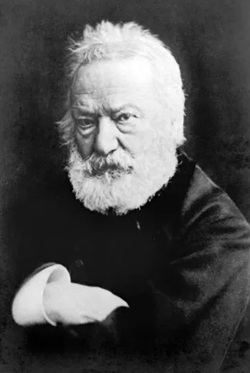
Recibe novedades de Victor Hugo directamente en tu email
Reseñas sobre Marie Tudor
Comparte tu experiencia con la comunidad lectora.
0 Reseñas
5 0
4 0
3 0
2 0
1 0
Sólo por opinar entras en el sorteo mensual de tres tarjetas regalo valoradas en
20€
Publicar una opinión supone haber leído y aceptado las
bases del sorteo
"Tu opinión tiene premio".






*Descuento de 15 euros en el eReader Vivlio Light Zen, válido para pedidos realizados en casadellibro.com del 13 de julio al 2 de agosto y solo para los 300 primeros compradores, hasta fin de existencias.