






















Sinopsis
The archæologist studies human life in its material remains; he tracks progress (and occasional degeneration) from the rudely chipped flints in the ancient gravel beds, to the polished stone weapon, and thence to the ages of bronze and iron. He is guided by material ‘survivals’—ancient arms, implements, and ornaments. The student of Institutions has a similar method. He finds his relics of the uncivilised past in agricultural usages, in archaic methods of allotment of land, in odd marriage customs, things rudimentary—fossil relics, as it were, of an early social and political condition. The archæologist and the student of Institutions compare these relics, material or customary, with the weapons, pottery, implements, or again with the habitual law and usage of existing savage or barbaric races, and demonstrate that our weapons and tools, and our laws and manners, have been slowly evolved out of lower conditions, even out of savage conditions. The anthropological method in mythology is the same. In civilised religion and myth we find rudimentary survivals, fossils of rite and creed, ideas absolutely incongruous with the environing morality, philosophy, and science of Greece and India. Parallels to these things, so out of keeping with civilisation, we recognise in the creeds and rites of the lower races, even of cannibals; but there the creeds and rites are not incongruous with their environment of knowledge and culture. There they are as natural and inevitable as the flint-headed spear or marriage by capture. We argue, therefore, that religions and mythical faiths and rituals which, among Greeks and Indians, are inexplicably incongruous have lived on from an age in which they were natural and inevitable, an age of savagery.
Léelo en cualquier dispositivo


Ficha Técnica
Editorial: Pubme
ISBN: 9786051768014
Idioma: Inglés
Fecha de lanzamiento: 08/07/2015
Especificaciones del producto
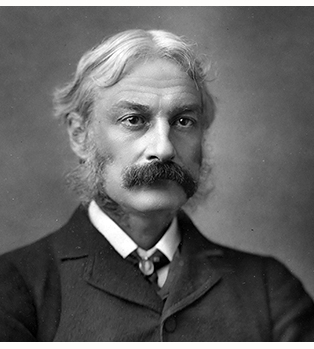
Recibe novedades de ANDREW LANG directamente en tu email
Reseñas sobre Modern Mythology
Comparte tu experiencia con la comunidad lectora.
0 Reseñas
5 0
4 0
3 0
2 0
1 0
Sólo por opinar entras en el sorteo mensual de tres tarjetas regalo valoradas en
20€
Publicar una opinión supone haber leído y aceptado las
bases del sorteo
"Tu opinión tiene premio".




*Descuento de 15 euros en el eReader Vivlio Light Zen, válido para pedidos realizados en casadellibro.com del 13 de julio al 2 de agosto y solo para los 300 primeros compradores, hasta fin de existencias.