


























Sinopsis
Ninety-Three is Victor Hugos final and one of his most powerful novels—a sweeping historical epic set during the turbulent year of 1793 at the height of the French Revolution. With masterful storytelling and profound moral insight, Hugo plunges readers into a world torn apart by civil war, ideological fanaticism, and the clash between duty and compassion.
The novel unfolds in Brittany, where royalist insurgents rise against the revolutionary government in Paris. At the center of the conflict stand three unforgettable figures: the Marquis de Lantenac, a resolute aristocrat and leader of the royalist forces; Gauvain, his idealistic and progressive nephew who fights for the Republic; and Cimourdain, a stern revolutionary priest turned political commissioner, bound by unyielding devotion to revolutionary principles. Their intertwined destinies form the emotional and philosophical core of the story.
Through these characters, Hugo explores the moral complexities of revolution. Rather than presenting a simple battle between right and wrong, he reveals the humanity on both sides of the struggle. The aristocrat possesses courage and honor; the revolutionary general embodies mercy and hope; the revolutionary commissioner represents uncompromising justice. As violence escalates and loyalties are tested, each must confront the limits of ideology and the cost of conviction.
Rich in dramatic tension, Ninety-Three portrays sea battles, prison escapes, peasant uprisings, and the relentless machinery of revolutionary tribunals. Yet beneath the action lies a deeper meditation on power, conscience, and sacrifice. Hugo examines whether true progress can be achieved through terror, and whether compassion can survive in times of extremism. The novel asks timeless questions: Can mercy coexist with justice? Is loyalty to an ideal greater than loyalty to family? What is the true meaning of revolution?
Hugos prose is vivid and lyrical, blending grand historical scope with intimate psychological depth. He paints sweeping landscapes of storm-tossed seas and war-scarred villages while also delving into the inner conflicts of his characters. His portrayal of 1793 is not merely historical—it is symbolic, representing a moment when humanity stood at a crossroads between destruction and renewal.
Written during Hugos later years, Ninety-Three reflects his mature political thought and deep belief in human progress tempered by compassion. Though set in the past, its themes of ideological division, moral responsibility, and reconciliation remain strikingly relevant.
Powerful, dramatic, and philosophically rich, Ninety-Three stands as a monumental work of historical fiction. It is a story of war and mercy, fanaticism and forgiveness, and the enduring struggle to reconcile justice with humanity.
The novel unfolds in Brittany, where royalist insurgents rise against the revolutionary government in Paris. At the center of the conflict stand three unforgettable figures: the Marquis de Lantenac, a resolute aristocrat and leader of the royalist forces; Gauvain, his idealistic and progressive nephew who fights for the Republic; and Cimourdain, a stern revolutionary priest turned political commissioner, bound by unyielding devotion to revolutionary principles. Their intertwined destinies form the emotional and philosophical core of the story.
Through these characters, Hugo explores the moral complexities of revolution. Rather than presenting a simple battle between right and wrong, he reveals the humanity on both sides of the struggle. The aristocrat possesses courage and honor; the revolutionary general embodies mercy and hope; the revolutionary commissioner represents uncompromising justice. As violence escalates and loyalties are tested, each must confront the limits of ideology and the cost of conviction.
Rich in dramatic tension, Ninety-Three portrays sea battles, prison escapes, peasant uprisings, and the relentless machinery of revolutionary tribunals. Yet beneath the action lies a deeper meditation on power, conscience, and sacrifice. Hugo examines whether true progress can be achieved through terror, and whether compassion can survive in times of extremism. The novel asks timeless questions: Can mercy coexist with justice? Is loyalty to an ideal greater than loyalty to family? What is the true meaning of revolution?
Hugos prose is vivid and lyrical, blending grand historical scope with intimate psychological depth. He paints sweeping landscapes of storm-tossed seas and war-scarred villages while also delving into the inner conflicts of his characters. His portrayal of 1793 is not merely historical—it is symbolic, representing a moment when humanity stood at a crossroads between destruction and renewal.
Written during Hugos later years, Ninety-Three reflects his mature political thought and deep belief in human progress tempered by compassion. Though set in the past, its themes of ideological division, moral responsibility, and reconciliation remain strikingly relevant.
Powerful, dramatic, and philosophically rich, Ninety-Three stands as a monumental work of historical fiction. It is a story of war and mercy, fanaticism and forgiveness, and the enduring struggle to reconcile justice with humanity.
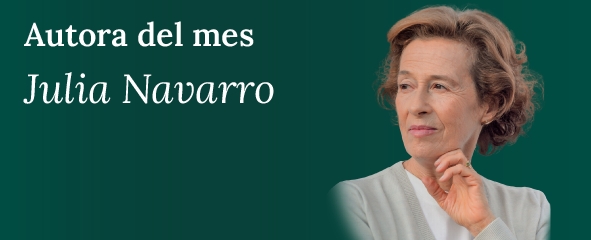
Descubre la nueva novela de Julia Navarro
Una Familia moderna de Julia Navarro. Una afilada novela sobre el paso del tiempo, la identidad y las contradicciones de la vida contemporánea.
Léelo en cualquier dispositivo


Ficha Técnica
Editorial: Clxbx
ISBN: 9783569270558
Idioma: Inglés
Fecha de lanzamiento: 18/02/2026
Especificaciones del producto
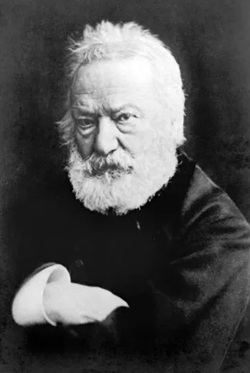
Recibe novedades de Victor Hugo directamente en tu email
Reseñas sobre Ninety-Three
Comparte tu experiencia con la comunidad lectora.
0 Reseñas
5 0
4 0
3 0
2 0
1 0
Sólo por opinar entras en el sorteo mensual de tres tarjetas regalo valoradas en
20€
Publicar una opinión supone haber leído y aceptado las
bases del sorteo
"Tu opinión tiene premio".






*Descuento de 15 euros en el eReader Vivlio Light Zen, válido para pedidos realizados en casadellibro.com del 13 de julio al 2 de agosto y solo para los 300 primeros compradores, hasta fin de existencias.