































Sinopsis
The journey begins at dawn on the shores of Mount Purgatory, a towering mountain rising from the ocean in the Southern Hemisphere. Having witnessed the despair of the damned, Dante, guided by the Roman poet Virgil, now encounters souls who suffer not in eternal punishment, but in patient expectation. These souls are the repentant—those who turned toward God before death and now undergo purification to cleanse themselves of lingering sin. Unlike the hopeless anguish of Hell, Purgatory is filled with longing, humility, prayer, and even song. It is a realm of hope.
Structured as a mountain with seven terraces, each corresponding to one of the seven deadly sins—pride, envy, wrath, sloth, greed, gluttony, and lust—Purgatorio presents sin not merely as wrongdoing, but as distorted love. Through symbolic punishments that mirror and heal their earthly faults, souls learn to redirect their desires toward divine goodness. As Dante ascends each level, he witnesses profound examples of repentance, hears moving prayers, and engages in philosophical and theological discussions that explore free will, grace, justice, and the nature of true happiness.
What distinguishes Purgatorio is its luminous tone. The darkness of Inferno gives way to starlight, music, friendship, and anticipation. The poetry reflects a gradual movement from shadow into radiance, culminating in the Earthly Paradise at the mountains summit. Here, Dante encounters Beatrice, the embodiment of divine wisdom and love, who will guide him further into the celestial realms of Paradiso.
At its heart, Purgatorio is a meditation on growth—the painful yet beautiful process of becoming worthy of heaven. It speaks to the universal human experience of failure, repentance, and the longing for transformation. Through vivid imagery, rich allegory, and profound insight, Dante portrays purification not as punishment, but as mercy in action.
Timeless and deeply moving, Purgatorio stands as one of literatures greatest reflections on hope, resilience, and the enduring possibility of redemption.
Novelas para leer este verano
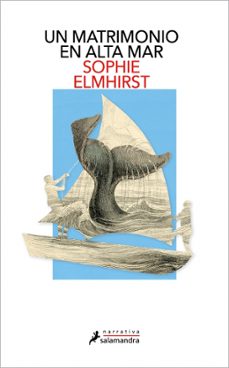
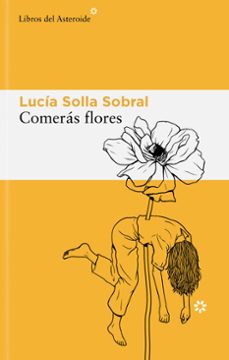

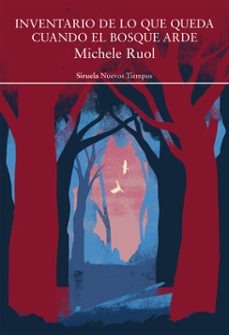

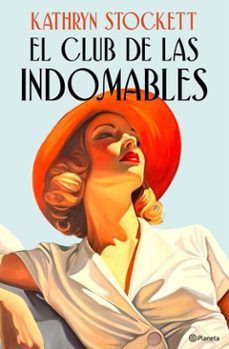




Léelo en cualquier dispositivo


* ¿Cómo conseguir tu eBook gratis?
Aproximadamente una semana después de la compra, recibirás un correo electrónico con un código promocional. Para canjearlo, solo tendrás que añadir el eBook La casa de las amapolas al carrito en casadellibro.com e introducir el código recibido en el momento del pago para que el eBook te salga gratis.
El código tiene una validez de dos semanas desde su recepción. Pasado ese plazo, caducará. Solo puede utilizarse una vez.
La promoción es válida para pedidos realizados en casadellibro.com
Si compras el dispositivo en nuestras librerías, podrás conseguir tu eBook gratis solo si eres Socio.
Ficha Técnica
Editorial: Clxbx
ISBN: 9785425587503
Idioma: Inglés
Fecha de lanzamiento: 01/03/2026
Especificaciones del producto

Recibe novedades de Dante Alighieri directamente en tu email
Reseñas sobre Purgatorio
Comparte tu experiencia con la comunidad lectora.
0 Reseñas
Sólo por opinar entras en el sorteo mensual de tres tarjetas regalo valoradas en
20€