

































Sinopsis
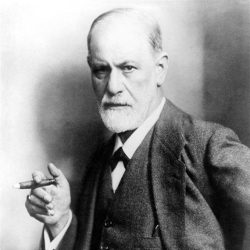
Sigmund Freud (was an Austrian neurologist and the founder of psychoanalysis, one of the most influential intellectual movements of the modern era. Born in Freiberg, Moravia, then part of the Austrian Empire, Freud studied medicine at the University of Vienna and devoted much of his career to understanding the workings of the human mind. Through his pioneering theories on the unconscious, dreams, repression, childhood development, and the structure of personality, he transformed the study of psychology and human behavior. His writings influenced not only psychiatry and psychotherapy but also literature, philosophy, anthropology, education, and cultural studies. Although many of his ideas remain debated, Freuds work continues to shape discussions about the nature of consciousness, identity, motivation, and emotional life.
Freuds books remain relevant because they address universal questions about the hidden forces that influence human thoughts, emotions, and behavior. Their enduring popularity stems from their profound exploration of the human psyche and their lasting impact on psychology, culture, and intellectual history.
This comprehensive edition presents the complete works of Sigmund Freud, bringing together the writings that established psychoanalysis and revolutionized modern understandings of the mind. Among the many influential texts included in this collection are ten of Freuds most celebrated and historically significant works.
The collection includes:
The Interpretation of Dreams, which is widely regarded as Freuds masterpiece and the foundational text of psychoanalysis. In this groundbreaking work, Freud argues that dreams represent disguised expressions of unconscious wishes and conflicts. By introducing methods of dream analysis, he opened an entirely new approach to understanding the human mind.
Psychopathology of Everyday Life examines seemingly trivial mistakes such as slips of the tongue, memory lapses, and accidental actions. Freud contends that these everyday occurrences reveal unconscious thoughts and motivations, demonstrating that hidden psychological processes influence even ordinary behavior.
Three Contributions to the Theory of Sex, often known as Three Essays on the Theory of Sexuality, challenged conventional attitudes toward human development. Freud explored infantile sexuality, psychological growth, and the formation of adult personality, creating one of the most controversial yet influential works in psychological literature.
Totem and Taboo extends psychoanalytic ideas into the fields of anthropology and cultural history. By comparing the mental life of individuals with that of early societies, Freud sought to explain the origins of religion, morality, and social organization.
Introduction to Psychoanalysis serves as one of Freuds most accessible works. Based on a series of lectures, it provides a systematic overview of dreams, neuroses, repression, and the unconscious, making complex psychoanalytic concepts understandable to a broad audience.
Beyond the Pleasure Principle marked a major turning point in Freuds thought. Here he proposed that human behavior cannot be explained solely by the pursuit of pleasure and introduced the concept of the death drive, one of his most debated theoretical innovations.
Group Psychology and the Analysis of the Ego investigates how individuals behave within crowds, communities, and social groups. Freud explored the psychological mechanisms underlying leadership, collective identity, and social influence, offering insights that remain relevant in modern social psychology.
The Ego and the Id introduced Freuds influential structural model of the mind. By distinguishing between the id, ego, and superego, he provided a framework for understanding internal psychological conflicts and personality development.
Freuds books remain relevant because they address universal questions about the hidden forces that influence human thoughts, emotions, and behavior. Their enduring popularity stems from their profound exploration of the human psyche and their lasting impact on psychology, culture, and intellectual history.
This comprehensive edition presents the complete works of Sigmund Freud, bringing together the writings that established psychoanalysis and revolutionized modern understandings of the mind. Among the many influential texts included in this collection are ten of Freuds most celebrated and historically significant works.
The collection includes:
The Interpretation of Dreams, which is widely regarded as Freuds masterpiece and the foundational text of psychoanalysis. In this groundbreaking work, Freud argues that dreams represent disguised expressions of unconscious wishes and conflicts. By introducing methods of dream analysis, he opened an entirely new approach to understanding the human mind.
Psychopathology of Everyday Life examines seemingly trivial mistakes such as slips of the tongue, memory lapses, and accidental actions. Freud contends that these everyday occurrences reveal unconscious thoughts and motivations, demonstrating that hidden psychological processes influence even ordinary behavior.
Three Contributions to the Theory of Sex, often known as Three Essays on the Theory of Sexuality, challenged conventional attitudes toward human development. Freud explored infantile sexuality, psychological growth, and the formation of adult personality, creating one of the most controversial yet influential works in psychological literature.
Totem and Taboo extends psychoanalytic ideas into the fields of anthropology and cultural history. By comparing the mental life of individuals with that of early societies, Freud sought to explain the origins of religion, morality, and social organization.
Introduction to Psychoanalysis serves as one of Freuds most accessible works. Based on a series of lectures, it provides a systematic overview of dreams, neuroses, repression, and the unconscious, making complex psychoanalytic concepts understandable to a broad audience.
Beyond the Pleasure Principle marked a major turning point in Freuds thought. Here he proposed that human behavior cannot be explained solely by the pursuit of pleasure and introduced the concept of the death drive, one of his most debated theoretical innovations.
Group Psychology and the Analysis of the Ego investigates how individuals behave within crowds, communities, and social groups. Freud explored the psychological mechanisms underlying leadership, collective identity, and social influence, offering insights that remain relevant in modern social psychology.
The Ego and the Id introduced Freuds influential structural model of the mind. By distinguishing between the id, ego, and superego, he provided a framework for understanding internal psychological conflicts and personality development.

La ciencia del descanso en la era del cansancio
Dormir para vivir
Un libro imprescindible para comprender por qué el sueño y el descanso son fundamentales para afrontar la ansiedad y el ritmo de vida actual.
Léelo en cualquier dispositivo


Ficha Técnica
Editorial: E-artnow
ISBN: 4099994089555
Idioma: Inglés
Fecha de lanzamiento: 17/06/2026
Especificaciones del producto
Recibe novedades de Sigmund Freud directamente en tu email
Reseñas sobre The Complete Works
Comparte tu experiencia con la comunidad lectora.
0 Reseñas
5 0
4 0
3 0
2 0
1 0
Sólo por opinar entras en el sorteo mensual de tres tarjetas regalo valoradas en
20€
Publicar una opinión supone haber leído y aceptado las
bases del sorteo
"Tu opinión tiene premio".







*Descuento de 15 euros en el eReader Vivlio Light Zen, válido para pedidos realizados en casadellibro.com del 13 de julio al 2 de agosto y solo para los 300 primeros compradores, hasta fin de existencias.