In recent years, public interest has grown around alternative and repurposed drugs being discussed in the context of cancer care. Among these discussions is what is often referred to as the “Dr. Makis Cancer Protocol,” a concept associated online with Dr. William Makis and centered around the exploratory use of drugs such as ivermectin and fenbendazole. These substances, originally developed and approved for anti-parasitic use in humans and animals respectively, have been the subject of informal reports, anecdotal claims, and online discourse suggesting possible roles in broader biological processes, including cancer. However, these ideas remain outside mainstream oncology practice and are not recognized as established cancer treatments by major medical authorities. This guide examines the protocol concept from an informational and critical perspective, aiming to clarify what is known, what is hypothesized, and what remains unproven. It is important to understand that cancer is a complex group of diseases involving uncontrolled cell growth driven by multiple genetic and environmental factors. Standard treatments such as surgery, chemotherapy, radiation therapy, immunotherapy, and targeted therapies are supported by extensive clinical research and regulatory approval processes. In contrast, the use of ivermectin and fenbendazole in cancer-related contexts is based largely on laboratory studies, theoretical mechanisms, and anecdotal reports rather than large-scale, peer-reviewed clinical trials in humans. Ivermectin is an anti-parasitic medication widely used to treat conditions such as river blindness and scabies. In laboratory settings, some studies have explored its effects on cellular pathways, including inflammation and cell signaling. These findings have led to hypotheses about potential anti-cancer properties, but such results have not been conclusively demonstrated in clinical oncology settings. Similarly, fenbendazole is a veterinary anti-parasitic drug that has attracted attention through online narratives suggesting anti-tumor effects. While some preclinical research and anecdotal accounts have circulated, there is currently insufficient high-quality evidence to support its safety or effectiveness as a cancer treatment in humans. The “Makis Protocol” is often described in online communities as a combination or sequential use of these compounds, sometimes alongside vitamins or other supportive substances. However, there is no universally accepted medical protocol under this name within oncology literature, and its components, dosing strategies, and clinical outcomes are not standardized or validated through controlled trials. As such, it is best understood as a collection of informal ideas rather than an evidence-based treatment framework. Given the sensitivity of cancer care, evaluating such claims requires careful scientific scrutiny. Patients facing serious illness are often vulnerable to misinformation or unverified treatment promises, making it essential to distinguish between experimental hypotheses and clinically validated therapies. Regulatory agencies and oncology organizations consistently emphasize the importance of evidence-based medicine, particularly when dealing with life-threatening conditions. This introduction sets the foundation for a deeper exploration of the individuals, substances, theories, and controversies surrounding the topic. It also highlights the importance of critical thinking, medical consultation, and reliance on peer-reviewed evidence when considering any emerging or alternative approaches to cancer care.
Puedes leer los eBooks directamente con nuestro visor online, accediendo a nuestra web desde tu móvil o tu ordenador, sin necesidad de descargar nada. Accede a tu área de usuario y empieza a leer.
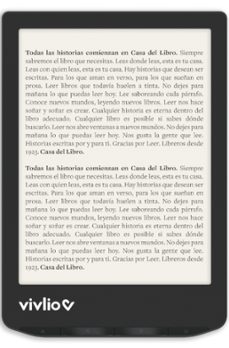
eReader Vivlio Casa del Libro
Disfruta de la sensación de un libro físico, pero con las ventajas de un libro digital. Puedes comprar tu eReader Vivlio Casa del Libro aquí.
Empezar a utilizarlo es muy fácil, solo tienes que sincronizar la biblioteca con tu usuario y contraseña y a disfrutar de la lectura.
Otros eReaders
Puedes conectar tu eReader a tu ordenador y enviar libros al dispositivo utilizando Adobe Digital Editions.
- Adobe Digital Editions ya no es compatible con los eReaders Sony.
- Los eReaders de Amazon (Kindle) no son compatibles con Adobe Digital Editions, ya que solo permiten libros comprados en Amazon.
* ¿Cómo conseguir tu eBook gratis? Aproximadamente una semana después de la compra, recibirás un correo electrónico con un código promocional. Para canjearlo, solo tendrás que añadir el eBook La casa de las amapolas al carrito en casadellibro.com e introducir el código recibido en el momento del pago para que el eBook te salga gratis.
El código tiene una validez de dos semanas desde su recepción. Pasado ese plazo, caducará. Solo puede utilizarse una vez.
La promoción es válida para pedidos realizados en casadellibro.com
Si compras el dispositivo en nuestras librerías, podrás conseguir tu eBook gratis solo si eres Socio.
Ficha Técnica
Editorial: Precious Osawaru
ISBN: 9781105186325
Idioma: Inglés
Fecha de lanzamiento: 13/06/2026
Especificaciones del producto
Reseñas sobre The Dr. Makis Cancer Protocol Guide
Comparte tu experiencia con la comunidad lectora.
0
0 Reseñas
5 0
4 0
3 0
2 0
1 0
Sólo por opinar entras en el sorteo mensual de tres tarjetas regalo valoradas en 20€
Publicar una opinión supone haber leído y aceptado las
bases del sorteo
"Tu opinión tiene premio".