Nicholas Mirzoeff es profesor de Medios, Cultura y Comunicación en la Universidad de Nueva York (NYU). De origen británico, hizo su formación en Historia e Historia del Arte en las Universidades de Oxford y de Wrawick. El autor tuvo un papel muy activo en el movimiento Occupy Wall Street. www.nicholasmirzoeff.com
Recibe novedades de Nicholas Mirzoeff directamente en tu email

In recent decades we have witnessed an explosion in the number of visual images we encounter as our lives have become increasingly saturated with screens From Google Images to Instagram video games to installation art this transformation is confusing liberating and worrying all at once since observing the new visuality of culture is not the same as understanding it Nicholas Mirzoeff is a leading figure in the field of visual culture which aims to make sense of this extraordinary explosion of visual experiences As Mirzoeff reminds us this is not the first visual revolution the 19th century saw the invention of film photography and x rays and the development of maps microscopes and telescopes made the 17th century an era of visual discovery But the sheer quantity of images produced on the internet today has no parallels In the first book to define visual culture for the general reader Mirzoeff draws on art history theory and everyday experience to provide an engaging and accessible overview of how visual materials shape and define our lives
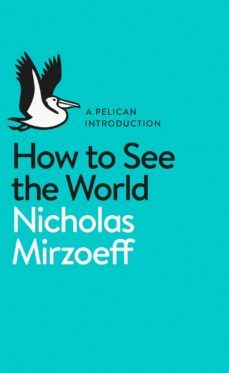
In recent decades, we have witnessed an explosion in the number of visual images we encounter, as our lives have become increasingly saturated with screens. From Google Images to Instagram, video games to installation art, this transformation is confusing, liberating and worrying all at once, since observing the new visuality of culture is not the same as understanding it. Nicholas Mirzoeff is a leading figure in the field of visual culture, which aims to make sense of this extraordinary explosion of visual experiences. As Mirzoeff reminds us, this is not the first visual revolution; the 19th century saw the invention of film, photography and x-rays, and the development of maps, microscopes and telescopes made the 17th century an era of visual discovery. But the sheer quantity of images produced on the internet today has no parallels. In the first book to define visual culture for the general reader, Mirzoeff draws on art history, theory and everyday experience to provide an engaging and accessible overview of how visual materials shape and define our lives.
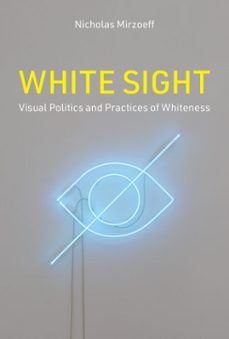
From the author of How to See the World comes a new history of white supremacist ways of seeingand a strategy for dismantling them.White supremacy is not only perpetuated by laws and police but also by visual culture and distinctive ways of seeing. Nicholas Mirzoeff argues that this form of white sight has a history. By understanding that it was not always a common practice, we can devise better ways to dismantle it. Spanning centuries across this wide-ranging text, Mirzoeff connects Renaissance innovationsfrom the invention of perspective and the erection of Apollo statues as monuments to (white) beauty and power to the rise of racial capitalism dependent on slave laborwith the ever-expanding surveillance technologies of the twenty-first century to show that white sight creates an oppressively racializing world, in which subjects who do not appear as white are under constant threat of violence. Analyzing recent events like the George Floyd protests and the Central Park birdwatching incident, Mirzoeff suggests that we are experiencing a general crisis of white supremacy that presents both opportunities and threats to social justice. If we do not seize this moment to dismantle white sight, then white supremacy might surge back stronger than ever. To that end, he highlights activist interventions to strike the power of the white heteropatriarchal gaze. White Sight is a vital handbook and call to action for anyone who refuses to live under white-dominated systems and is determined to find a just way to see the world.
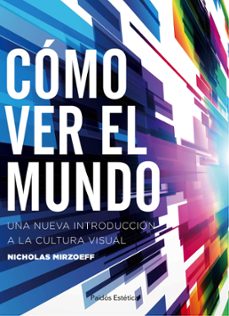
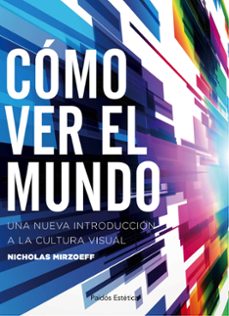
¿Qué es la cultura visual? ¿Cómo debemos interpretar la gran cantidad de imágenes visuales que tenemos a nuestro alcance en la actualidad? ¿Cómo nos pueden ayudar los medios visuales a cambiar el mundo? Estas y otras preguntas se abordan en este libro de la mano de uno de los mayores especialistas en el analisis de la cultura visual: Nicholas Mirzoeff.En las ultimas decadas se ha disparado el numero de imagenes visuales con que nos encontramos, mientras nuestras vidas se ven cada vez mas invadidas por pantallas. Esta transformacion resulta al mismo tiempo confusa, liberadora e inquietante, ya que observar la nueva visualidad de la cultura no equivale a entenderla
Este libro analiza paso a paso la historia y las teorías de la cultura visual, desde la pintura hasta Internet, y plantea cómo y por qué los medios visuales de comunicación se han convertido en algo tan importante en la vida cotidiana contemporanea. Nicholas Mirzoeff sugiere que, en la actualidad, nuestra principal via de comprension del mundo es visual y no textual. Para llegar a estas conclusiones, Mirzoeff examina los siguientes puntos: •¿Que es la cultura visual? •Los elementos de lo visual, incluyendo la perspectiva, el color, la linea y la vision. •Un amplio abanico de formas visuales, que incluye la pintura, la escultura, la fotografia, la television, el cine, la realidad virtual e Internet. •La importancia de la raza y el origen etnico, el genero, la sexualidad y el cuerpo en la cultura visual. •Las distintas formas de espectaculo que genero en los medios de comunicacion la muerte de la princesa Diana de Gales, sin duda el acontecimiento que supuso el inicio de la era de la cultura visual global.
¿Qué es la cultura visual? ¿Cómo debemos interpretar la gran cantidad de imágenes visuales que tenemos a nuestro alcance en la actualidad? ¿Cómo nos pueden ayudar los medios visuales a cambiar el mundo? Estas y otras preguntas se abordan en este libro de la mano de uno de los mayores especialistas en el analisis de la cultura visual: Nicholas Mirzoeff.En las ultimas decadas se ha disparado el numero de imagenes visuales con que nos encontramos, mientras nuestras vidas se ven cada vez mas invadidas por pantallas. Esta transformacion resulta al mismo tiempo confusa, liberadora e inquietante, ya que observar la nueva visualidad de la cultura no equivale a entenderla