eBook INGLÉS EPUB sin DRM
Wild Apples
Sinopsis
Wild Apples Henry David Thoreau - Wild Apples is a compilation of two classic philosophical nature essays by the great American naturalist and philosopher, Henry David Thoreau. I wish to speak a word for Nature, for absolute freedom and wildness, as contrasted with a freedom and culture merely civil--to regard man as an inhabitant, or a part and parcel of Nature, rather than a member of society. I wish to make an extreme statement, if so I may make an emphatic one, for there are enough champions of civilization: the minister and the school committee and every one of you will take care of that. Walking, or sometimes referred to as "The Wild", is a lecture by Henry David Thoreau first delivered at the Concord Lyceum on April 23, 1851. It was written between 1851 and 1860, but parts were extracted from his earlier journals. Thoreau read the piece a total of ten times, more than any other of his lectures. "Walking" was first published as an essay in the Atlantic Monthly after his death in 1862.[1] He considered it one of his seminal works, so much so, that he once wrote of the lecture, "I regard this as a sort of introduction to all that I may write hereafter." Walking is a Transcendental essay in which Thoreau talks about the importance of nature to mankind, and how people cannot survive without nature, physically, mentally, and spiritually, yet we seem to be spending more and more time entrenched by society. For Thoreau walking is a self-reflective spiritual act that occurs only when you are away from society, that allows you to learn about who you are, and find other aspects of yourself that have been chipped away by society. "Walking" is an important canon in the transcendental movement that would lay the foundation for his best known work, Walden. Along with Ralph Waldo Emersons Nature, and George Perkins Marshs Man and Nature, it has become one of the most important essays in the Transcendentalist movement. "Walking" The main theme is Nature. Thoreau is looking at nature, and how nature brings self-reflection through the act of walking, how nature represents the wild natural aspect to man that has been suppressed by society, and criticizing society and people who think society is everything, and lastly Thoreau is trying to push us towards exploration particularity in the west, because at the a time the United States was living under the idea of Manifest destiny that promised westward expansion to fulfill a duty to cultivate and civilize land, however, for Thoreau the west represents a different kind of future with new opportunities.
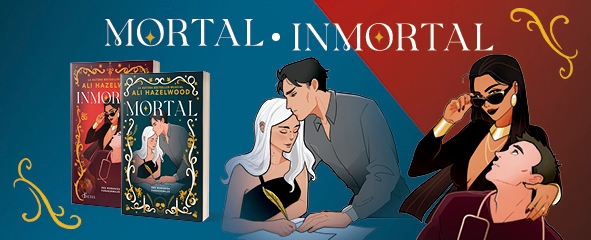
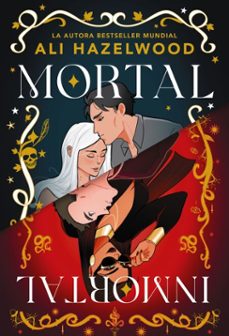
Mortal & Inmortal. Dos romances paranormales
Ali Hazelwood la autora de Novia y Alfa, dos romances paranormales en uno. Tú eliges: ¿dark academia o amor imposible?







Léelo en cualquier dispositivo


Ficha Técnica
Editorial: Phoemixx Classics Ebooks
ISBN: 9783985947898
Idioma: Inglés
Edad recomendada: 10 a 12 años
Fecha de lanzamiento: 02/09/2021
Especificaciones del producto
Recibe novedades de Henry David Thoreau directamente en tu email
Reseñas sobre Wild Apples
Comparte tu experiencia con la comunidad lectora.
0 Reseñas
5 0
4 0
3 0
2 0
1 0
Sólo por opinar entras en el sorteo mensual de tres tarjetas regalo valoradas en
20€
Publicar una opinión supone haber leído y aceptado las
bases del sorteo
"Tu opinión tiene premio".