Sinopsis
The Euthydemus, though apt to be regarded by us only as an elaborate jest, has also a very serious purpose. It may fairly claim to be the oldest treatise on logic; for that science originates in the misunderstandings which necessarily accompany the first efforts of speculation. Several of the fallacies which are satirized in it reappear in the Sophistici Elenchi of Aristotle and are retained at the end of our manuals of logic. But if the order of history were followed, they should be placed not at the end but at the beginning of them; for they belong to the age in which the human mind was first making the attempt to distinguish thought from sense, and to separate the universal from the particular or individual. How to put together words or ideas, how to escape ambiguities in the meaning of terms or in the structure of propositions, how to resist the fixed impression of an eternal being or perpetual flux, how to distinguish between words and things—these were problems not easy of solution in the infancy of philosophy. They presented the same kind of difficulty to the half-educated man which spelling or arithmetic do to the mind of a child. It was long before the new world of ideas which had been sought after with such passionate yearning was set in order and made ready for use.

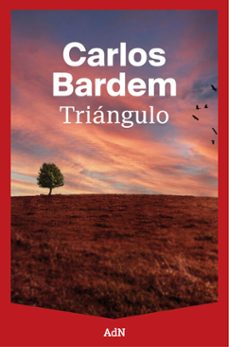
Triángulo de Carlos Bardem
Diego busca refugio para superar su bloqueo creativo, pero la convivencia con Lucía y su nieta Lola desata un inquietante juego de tensiones. Una novela sobre el deseo, la memoria y los fantasmas del pasado.





Léelo en cualquier dispositivo


Ficha Técnica
Editorial: Simone Vannini
ISBN: 9788892514980
Idioma: Inglés
Fecha de lanzamiento: 05/11/2015
Especificaciones del producto
Recibe novedades de Platón directamente en tu email
Reseñas sobre Euthydemus, Crito, Euthyphro
Comparte tu experiencia con la comunidad lectora.
0 Reseñas
5 0
4 0
3 0
2 0
1 0
Sólo por opinar entras en el sorteo mensual de tres tarjetas regalo valoradas en
20€
Publicar una opinión supone haber leído y aceptado las
bases del sorteo
"Tu opinión tiene premio".